

Symmetry in Stone: Exploring Humayun’s Tomb
Written by
Thahir
Published on
11-12-25


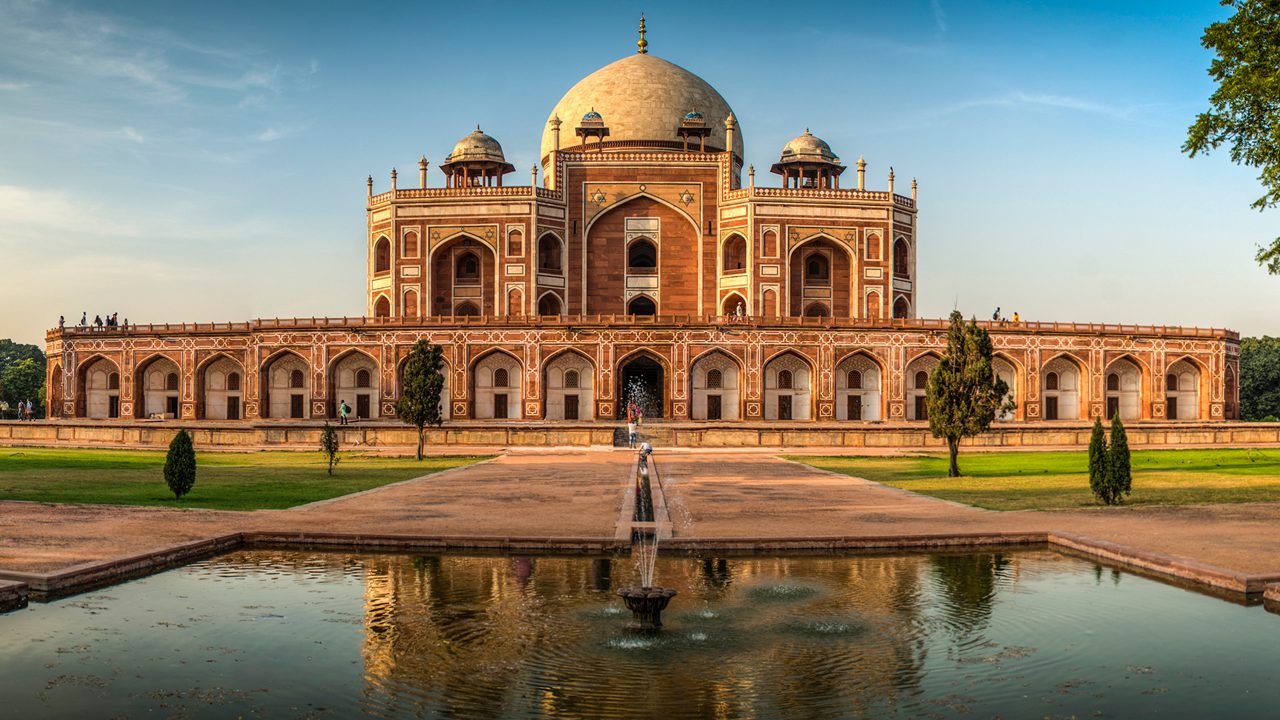
Humayun’s Tomb in Delhi stands as one of the finest examples of early Mughal architecture in India. Built in 1570, this magnificent structure not only marks the resting place of Emperor Humayun but also represents a significant turning point in the evolution of Indo-Islamic architectural style. Its grand design, intricate carvings, and symmetrical layout inspired many later monuments, including the world-famous Taj Mahal.
The tomb is designed in a charbagh (four-part) garden layout, a Persian concept that symbolizes paradise. This was the first time such a garden style was introduced in India. Pathways divide the garden into four sections, with water channels flowing through the center, creating a serene and harmonious environment. This garden layout became a defining feature of Mughal architecture in the years that followed.
One of the most striking features of Humayun’s Tomb is its massive double dome, rising gracefully above the central chamber. Made of white marble and red sandstone, the dome reflects the perfect balance of Persian and Indian styles. The red sandstone façade, decorated with marble borders and geometric patterns, adds to the monument’s royal beauty. Its grand arches and intricate jali (lattice) windows allow natural light to filter in, creating a peaceful atmosphere inside.
The tomb complex includes several smaller monuments, such as the Barber’s Tomb and Isa Khan’s Tomb, representing architectural styles that predate the main structure. These additions give visitors a deeper understanding of how Mughal architecture developed over time. Walking through the complex feels like stepping into a historical timeline, where every structure tells a story of craftsmanship and cultural exchange.
Humayun’s Tomb is not only a symbol of Mughal grandeur but also a UNESCO World Heritage Site that reflects the artistic brilliance of the 16th century. Its symmetry, elegance, and innovative design elements make it a must-visit destination for architecture lovers, history enthusiasts, and travelers seeking a glimpse into India’s rich heritage.